
IBC Freight Services

IBCs are the standard unit for bulk liquid freight in Australian industry — 1000L of chemical, industrial fluid, oil or food-safe liquid enclosed in a caged frame on an integrated pallet base. The format is designed for forklift handling, which is why IBC freight moves cleanly between chemical fillers, distributors and industrial end-users across road and rail lanes. QFM manages the full pickup-to-POD workflow — including empty IBC return loops where applicable.

A single IBC full of water sits at roughly 1100 kg; denser liquids push higher. That gross weight drives the forklift-capacity requirement at both ends and shapes which carrier is matched to the job. When the contents are DG-classified under ADG 7.x, the lane needs an ADG-compliant carrier with correct placarding, SDS handling and DG consignment documentation — QFM confirms DG status from the SDS at quote stage and matches carrier licensing accordingly. Multi-IBC consolidation loads and recurring filler-to-receiver lanes are both handled.
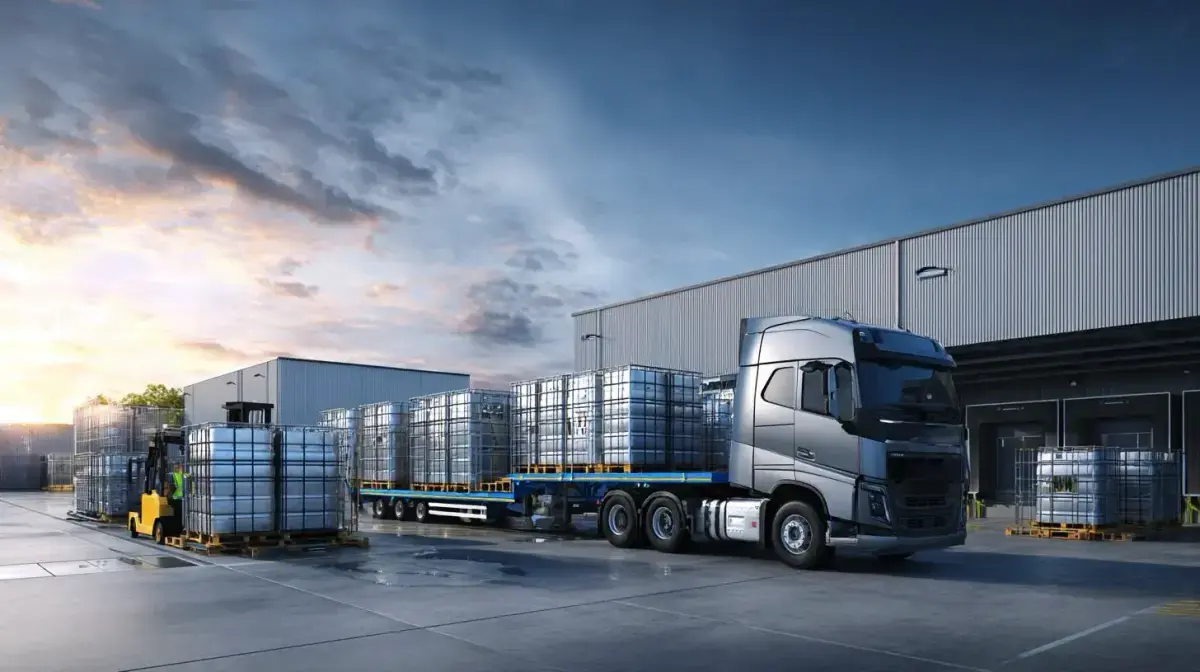
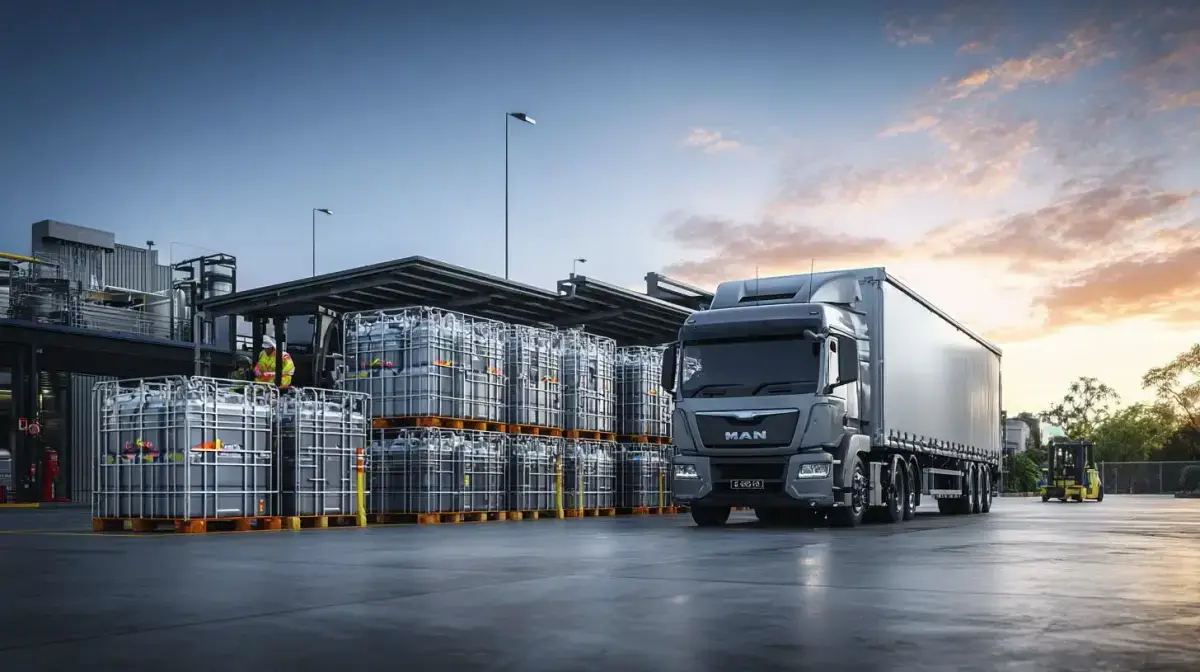
1000L caged IBCs prepared for bulk liquid interstate freight, coordinated by QFM across Australian industrial corridors

Bulk Liquid IBC Lanes — Industrial, Chemical & Non-Perishable

Share IBC count, contents (with SDS if DG-classified), gross weight per IBC, top-stackability, forklift capacity at both ends, reusable-loop or one-way designation, and pickup/delivery postcodes. QFM returns a quote with DG-compliant carrier matched where required, and confirms forklift capability at the receiver before pickup is booked.

IBC Freight Profile

  • 1000L Caged IBCs: Standard bulk-liquid unit with integrated pallet base, forklift-ready footprint around 1200×1000 mm, gross weight typically 1000–1300 kg loaded.
  • ADG-Compliant DG Routing: DG-classified IBC loads matched to carriers with correct DG licensing, placarding, SDS review and DG consignment documentation.
  • Reusable Loops & Empty Returns: Empty IBC return legs coordinated between fillers and regular receivers; one-way IBC dispatch handled the same way with no return leg.
  • Multi-IBC Consolidation: Two-, four- and six-IBC consignments consolidated onto the same linehaul where destination and timing align, reducing per-IBC lane cost.

FAQ