
Dangerous Goods Freight Services

Dangerous goods freight starts with the SDS, not the load. The UN number, DG class (1 through 9), packing group (I, II or III) and aggregate quantity all feed into which licensed carriers can lift the freight, which vehicles are permitted, what placarding applies, and how the shipment must be segregated from other cargo. QFM manages the compliance chain across every ADG-regulated consignment — Class 3 flammable liquids, Class 8 corrosives, Class 9 miscellaneous (including lithium batteries), through to the specialist classes.

The Australian Dangerous Goods Code (ADG 7.9) governs every step, from the correct marking and labelling of inner packagings to the licensing held by the driver and vehicle. QFM reviews the SDS on each job, applies the correct LQ, EQ or full-DG service profile, and routes the booking to carriers whose DG licences cover the class and packing group on the lane. Drum, IBC, jerry-can and carton configurations are all handled, with segregation checks performed before mixed-class loads are consolidated.

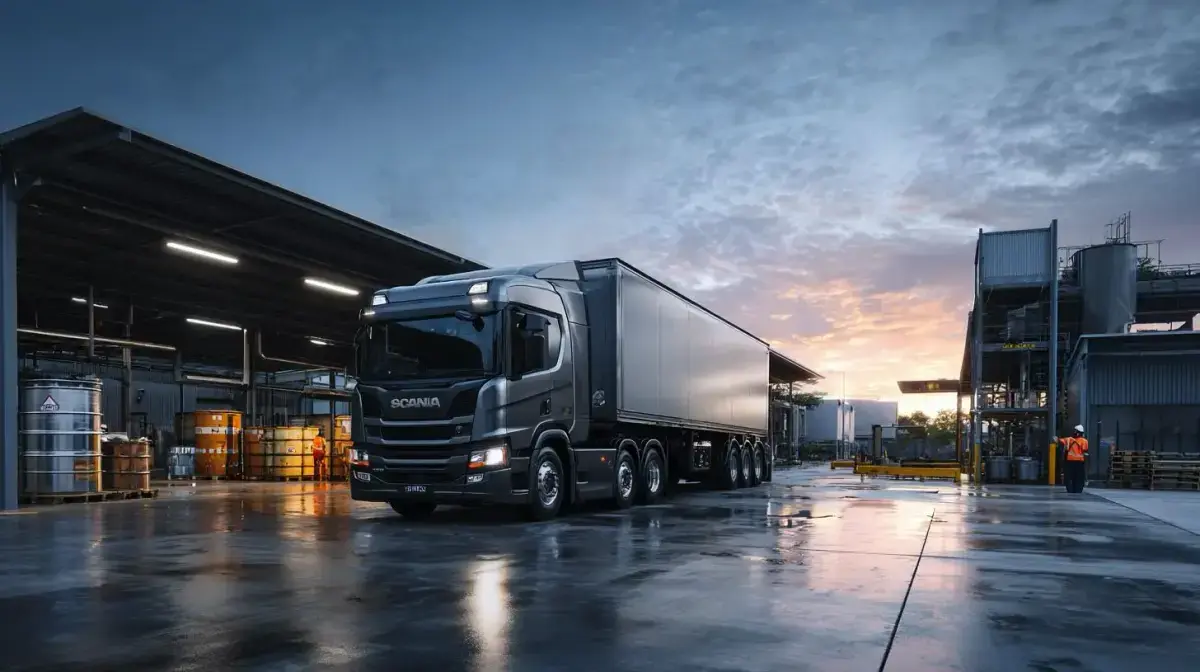
ADG-compliant dangerous goods freight with licensed-carrier dispatch, coordinated by QFM across all DG classes and packing groups

SDS-Driven Quoting — Classes 2, 3, 4, 5, 6, 8 & 9

Attach the SDS and share UN number, packing group, package count, gross weight, packaging type (drum, IBC, carton), and origin/destination postcodes. QFM verifies licensed-carrier coverage on the lane and returns a quote for LQ, EQ or full-DG service as the shipment requires.

Dangerous Goods Freight Profile

  • SDS-First Classification: Every DG booking is matched to carriers using the UN number, class and packing group from the SDS — not guessed from the product name. Class 3, 8 and 9 move on most lanes; Classes 1, 2, 5, 6 and 7 route through specialist licensed operators.
  • LQ, EQ & Full-DG Service Tiers: Limited-Quantity and Excepted-Quantity concessions keep compliant inner packagings on general-freight services, while full-DG consignments route to placarded vehicles with correctly licensed drivers and ADG-compliant transport documents.
  • Segregation & Mixed-Class Loads: The ADG Code segregation matrix is checked before mixed-class pallets are consolidated — incompatible pairings (oxidisers + flammables, acids + cyanides) are split into separate bookings rather than forced onto one vehicle.
  • Packaging Format Coverage: Steel and plastic drums, IBCs, jerry cans and fibreboard cartons with UN-approved inner packaging — all handled with placarding, marking and documentation confirmed at lodgement.

FAQ