
Cement Freight Services

A pallet of 20 kg cement bags typically runs 1.0–1.2 tonnes, and a trailer hits legal mass around 22–24 tonnes long before the deck's full. QFM plans cement freight around mass rather than cubic, which shapes vehicle selection: full-trailer programs for builder's merchants, B-Doublefor higher-mass runs, and part-loads on LTL pallet networks for retail hardware.

Site delivery — often coordinated with broader construction freight out of Melbourne, Sydney and Brisbane — often needs HIAB placement rather than dock drop — residential builds, small commercial sites and regional receivers rarely have rated forklifts for tonne-plus pallets. Chain of Responsibility sits on correct mass declarations and load restraint (see our CoR guide).
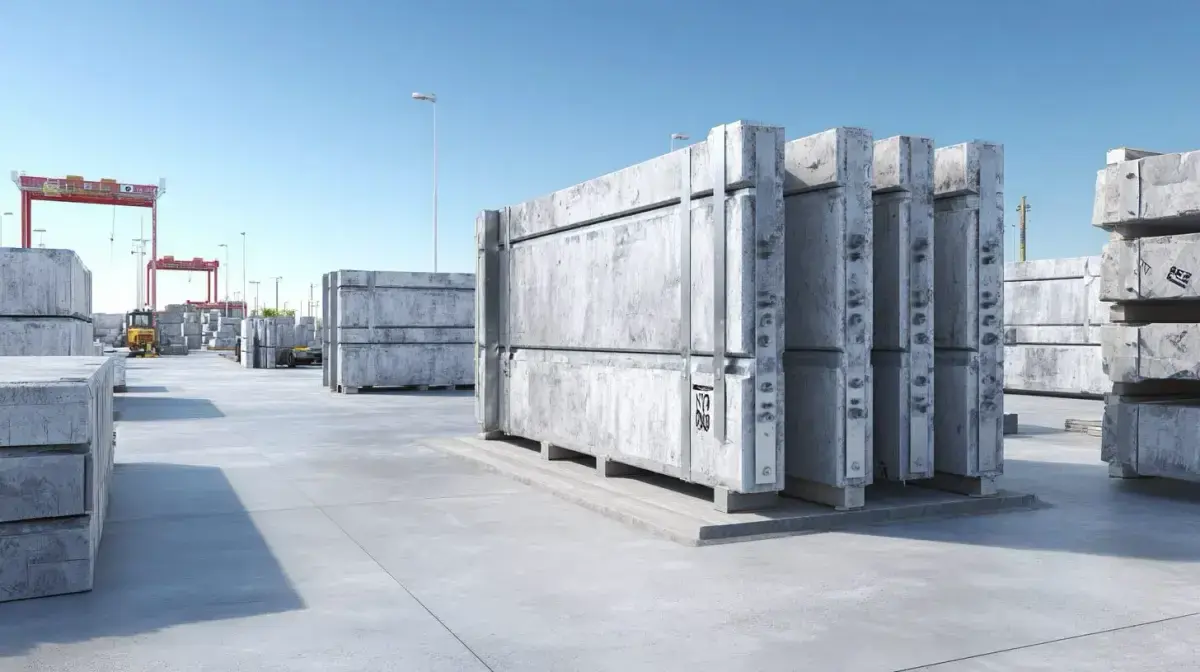
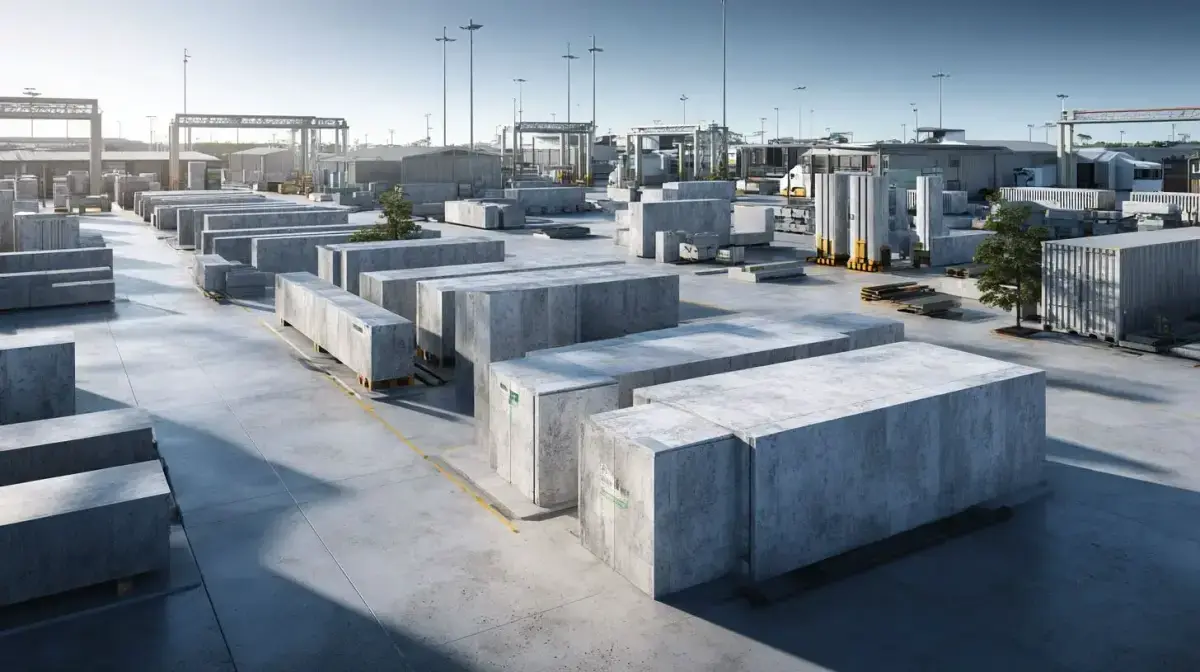
Palletised bagged cement strapped and wrapped for delivery to construction sites coordinated by QFM

Bagged, Bulk & Site-Delivery Cement Freight

Share pallet count, bag size, total tonnage, pickup and delivery sites, and whether HIAB is needed. For staged build programs, send the schedule. Explore our full range of freight solutions.

Cement Freight Profile

  • Bagged Cement Pallet Freight:20 kg and 25 kg bag pallets averaging 1.0–1.2 tonnes — full-trailer runs for builder's merchants and hardware DCs, part-loads on LTL pallet networks for smaller receivers.
  • HIAB Site Placement: Truck-mounted crane places cement pallets over fences, onto upper levels or metres beyond the kerb at residential and small-commercial sites without a rated forklift. Reach and capacity confirmed per site.
  • Bulk Cement & Mortar Transport: Bulk bags (1 tonne+), specialty mortar and construction binders ride on dedicated carriers with restraint specific to the product. Coordinated against site storage and handling equipment.
  • Chain of Responsibility Compliance: Mass declarations and load restraint sit at the core of cement freight. Overload penalties flow to the sender under HVNL, not just the carrier — we confirm axle loading and restraint upfront.

FAQ