
Automotive Freight Services

Automotive supply in Australia splits across three distinct flows — OEM parts distribution into dealer networks (high-frequency, boxed and palletised), aftermarket supply to workshops and panel shops (mixed carton, pallet and overlength), and back-order express for vehicles off the road. QFM routes each flow differently: nightly dealer replenishment rides scheduled interstate linehaul; workshop consumables move through LTL pallet networks; VOR parts catch express road or air to hit the repair window.

Part profile drives the cost base — tyres are cubic-heavy, engines and transmissions are weight-heavy, body panels are fragile and oversized, batteries and fluids carry Dangerous Goods rules. QFM allocates each consignment to the right carrier path rather than pushing every automotive job through one network. Interstate dealer programs run standard between Melbourne, Sydney, Brisbane, Perth and Adelaide.

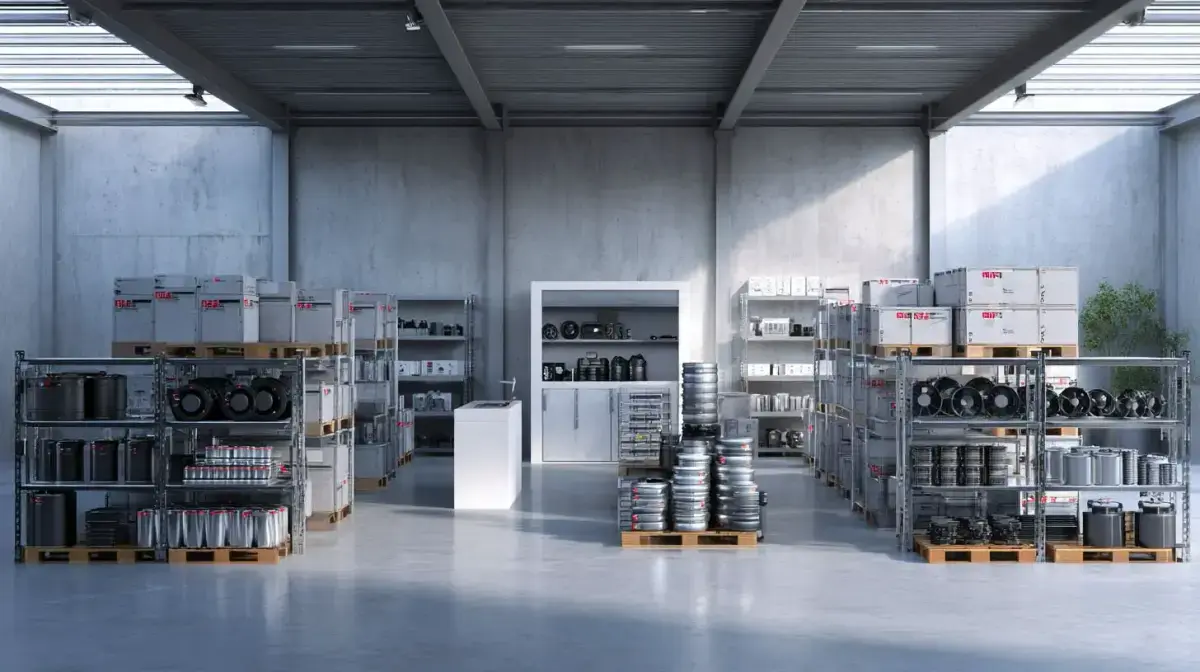
Crated engine, transmission and boxed automotive components staged for dealer and workshop freight through QFM

Dealer, Aftermarket & Back-Order Parts Freight

Tell us what's moving — part list, dimensions and weight — plus origin, destination and urgency. For recurring dealer or workshop programs, share the weekly pallet profile and destination mix and we'll scope a lane plan. Explore our full range of freight solutions.

Automotive Freight Profile

  • OEM Dealer Replenishment: Scheduled pickups out of parts distribution centres to dealer networks — nightly overnight road on east-coast corridors, rail for Melbourne–Perth bulk replenishment, with dedicated semi lanes for high-volume programs.
  • Aftermarket & Workshop Distribution: Mixed carton and pallet freight into panel shops, service centres and tyre retailers — LTL pallet networks for most movements, parcel networks for small boxed items, bulky specialists for bumpers, bonnets and overlength exhausts.
  • Back-Order Express (VOR): Same-day road within metro, overnight express on interstate corridors, air freightfor Perth, Adelaide and regional runs where the vehicle's off the road and the repair window is tight.
  • Dangerous Goods Compliance: Batteries (lithium and lead-acid), flammable fluids, aerosols and airbag assemblies carry ADG code requirements — classification, packaging and manifesting confirmed before pickup rather than discovered at the depot.

FAQ